
The best Hawaiian shirt brand for you depends on the job you need the shirt to do: heritage style, everyday comfort, a bold vacation print, a coordinated group order, or a one-off personalized design. There is no honest single winner because brands use different fabrics, fit systems, price points, production methods, and design philosophies.
How to use this guide
This is a buying framework, not a ranked list that declares one brand best for everyone. A person looking for a vintage-inspired rayon shirt should compare different criteria from a buyer ordering photo shirts for a family trip. Start by deciding your use case, then compare brands on the details that affect whether you will actually enjoy wearing the shirt.
First, choose the kind of Hawaiian shirt you want
Most options fall into four broad categories:
- Heritage-focused aloha wear: for buyers who value local history, classic cuts, archival or vintage-inspired prints, and traditional fabrics.
- Contemporary fashion shirts: for a modern fit, graphic print, or color palette that works with an existing wardrobe.
- Resort and vacation shirts: for easy-care fabrics, bold designs, and relaxed styling.
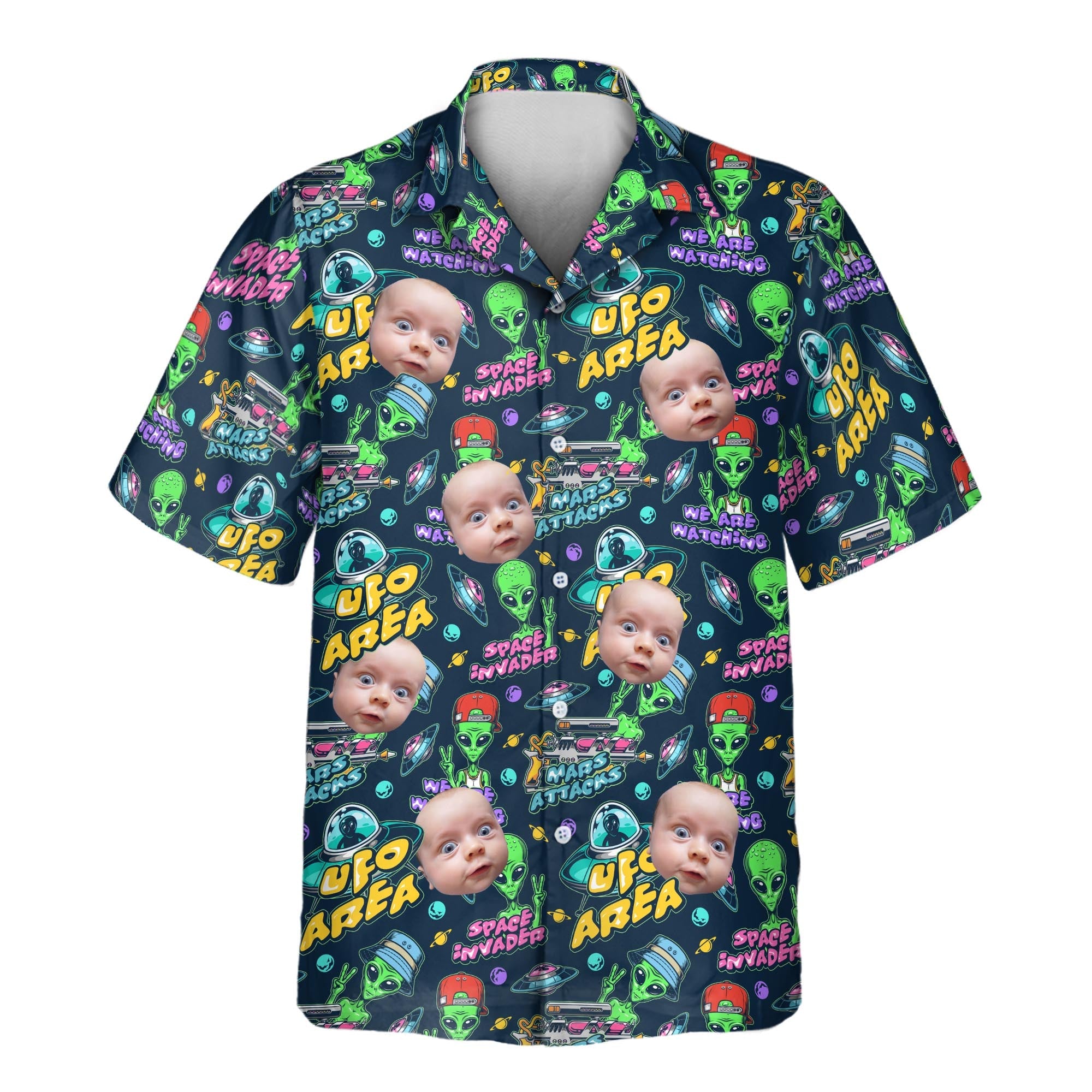
- Custom Hawaiian shirts: for a personal photo, pet, logo, team identity, reunion date, or a group-specific print.
These categories can overlap. What matters is that you do not compare a made-to-order personalized shirt with an in-stock heritage shirt as though they promise the same turnaround, returns, or print process.
Five criteria that matter more than a brand name
1. Fabric and comfort
Read the fabric composition before looking at the print. Rayon often gives a soft, fluid drape; cotton feels familiar and breathable; polyester blends can make detailed all-over prints vivid and easy to care for. Weight and finish matter as much as the fiber name. A lightweight vacation shirt may not feel like the structured shirt you want for dinner or work.
Use our guide to fabrics for custom Hawaiian shirts to compare these trade-offs before narrowing your choices.
2. Fit and measurements
“Relaxed fit” is not a universal measurement. Compare the brand’s chest, shoulder, sleeve, and length measurements with a shirt you already own and like. Look for a size chart in garment measurements, not only body measurements. If you are between sizes, review the return or exchange policy before ordering.
3. Print and design approach
Some brands focus on vintage or locally inspired artwork; others use contemporary illustration, novelty graphics, or photo-based customization. Think about where you will wear the shirt. A large novelty print can be perfect for a group celebration but may not be the versatile piece you want for weekly use. Smaller repeats, darker grounds, and two- or three-color palettes are often easier to style.
4. Order process and support
For an in-stock shirt, check delivery estimates and returns. For a custom shirt, check what artwork is accepted, whether you receive a proof, how revisions work, and when production begins. An attractive price does not help if the order arrives after a birthday, event, or trip.
5. Value for your purpose
Value is not simply the lowest price. A heritage garment may justify a higher budget if fabric, construction, and provenance matter to you. A group event may prioritize reliable sizing and a clear deadline. A gift may be worth spending more on if a personal design and proof approval remove the risk of getting it wrong.
A practical comparison checklist
| Question | Why it matters |
|---|---|
| What fabric is it made from? | Comfort, drape, care, and print appearance depend on it. |
| Is the cut relaxed, tailored, or unisex? | It helps avoid size-chart surprises. |
| Is the shirt in stock or made to order? | It changes production time, shipping expectations, and return options. |
| Can I see care instructions? | A shirt lasts longer when care matches your routine. |
| Does the brand explain its print or source? | Useful context can help you make a more informed choice. |
When a custom Hawaiian shirt is the better option
Choose customization when the meaning of the shirt matters more than selecting from a standard print. A photo of a pet, a family reunion theme, a company logo, or an inside joke can make a shirt memorable for a specific person or event. The trade-off is that custom orders require more planning: a clear image, size collection, proof approval, and production time.
Before submitting artwork, use our personalized Hawaiian shirt design guide. If you are buying for a celebration, see personalized Hawaiian shirts as gifts.
How to avoid a disappointing purchase
- Do not judge a shirt from one styled product photo.
- Read the size chart and care instructions.
- Check the current production and shipping window.
- For custom work, approve a proof only after checking spelling, color, and pattern scale.
- Choose an occasion-appropriate print rather than chasing a generic “best” label.
Frequently asked questions
What is the best fabric for a Hawaiian shirt?
The best fabric depends on your use. Rayon is known for drape, cotton for breathable familiarity, and polyester blends for vivid, easy-care all-over prints.
Should I buy a Hawaiian shirt one size up?
Not automatically. Compare the garment measurements to a shirt you own. A relaxed cut may already have enough room.
Do custom Hawaiian shirts take longer?
Usually, because artwork setup, proofing, and production occur before shipping. Confirm the order timeline before buying for a fixed date.
Match the shirt to the setting
A shirt that works on vacation may not be the right choice for every occasion. For a casual luau or resort dinner, a breathable fabric and a balanced print are usually practical. For golf, first follow the course dress code; our guide to wearing a Hawaiian shirt golfing explains when a collared aloha shirt may be appropriate. For a work event or a group order, put fit, color consistency, and the delivery schedule ahead of novelty.
In other words, use the brand comparison to narrow options, then let the occasion make the final decision. That approach creates a better purchase and keeps this article focused on comparison intent rather than competing with a product category page.
Key takeaway
The best Hawaiian shirt brand is the one whose fabric, fit, print, service, and ordering process match your exact use case. Compare the garment and buying experience—not just the brand name or a single product photo.
Tags:
Previous
How to Design Your Own Personalized Hawaiian Shirt?
Next
Can I Wear a Hawaiian Shirt Golfing?
Related articles
-
Jul 25 2026