
The best fabric for a custom Hawaiian shirt depends on how you plan to wear it. Start with comfort and climate, then compare drape, print appearance, care, and budget. A fabric that looks great in a product photo is not always the best choice for a humid vacation, a team event, or a gift.
Quick answer: which fabric is best?
For a soft, classic feel, rayon is a common choice. For breathability and easy everyday wear, cotton is a strong option. For bright all-over prints and low-maintenance care, polyester blends are often practical. There is no single best fabric for every use.
Rayon: soft drape and a classic look
Rayon feels light and fluid, which makes it popular for relaxed resort-style shirts. It can drape well and feel cool, but it may need gentler care than some synthetics. Check the garment label before washing or drying.
Cotton: breathable and familiar
Cotton is comfortable, breathable, and easy for many people to wear. It is a good fit for casual daytime use and for anyone who prefers a more natural hand feel. Depending on the fabric construction, cotton can wrinkle more readily than synthetic blends.
Polyester and blends: vivid prints and easy care
Polyester fabrics are often chosen for strong color reproduction and durability. They can be useful for event shirts, coordinated groups, and designs with detailed all-over artwork. Compare the weight and finish: a lighter fabric may suit warm weather better, while a heavier one may feel more structured.
Use this fabric checklist before ordering
- Where will the shirt be worn: beach, office event, vacation, or everyday?
- Is breathability or wrinkle resistance more important?
- Does the design need a high-detail all-over print?
- What care instructions will the recipient realistically follow?
- Can you review a fabric description or sample before ordering?
Fabric and print quality
Ask how the design is printed and whether colors may look different from a screen. Small details, dark backgrounds, and large photographs can behave differently across fabrics. A clear source image and a proof review help prevent surprises.
Next step: choose the right style
Once you choose a fabric, decide on fit and occasion. Read our guide on how to choose a Hawaiian shirt style. If you are creating your own print, see how to design a personalized Hawaiian shirt.
Compare fabric by the way the shirt will be used
Fabric choice is easier when you start with the day the shirt needs to serve. A lightweight shirt for humid travel has different priorities from a company event uniform, a photo gift, or a garment that will be washed often. Instead of asking which fiber is universally best, rank the trade-offs that matter to you: breathability, drape, print brightness, wrinkle resistance, durability, cost, and care.
| Use case | Useful qualities to prioritize | Questions to ask |
|---|---|---|
| Warm-weather vacation | Breathability, light weight, soft feel | How does it feel in humidity and how should it be washed? |
| Group or event order | Consistent color, easy care, broad size availability | Will all sizes use the same fabric and print process? |
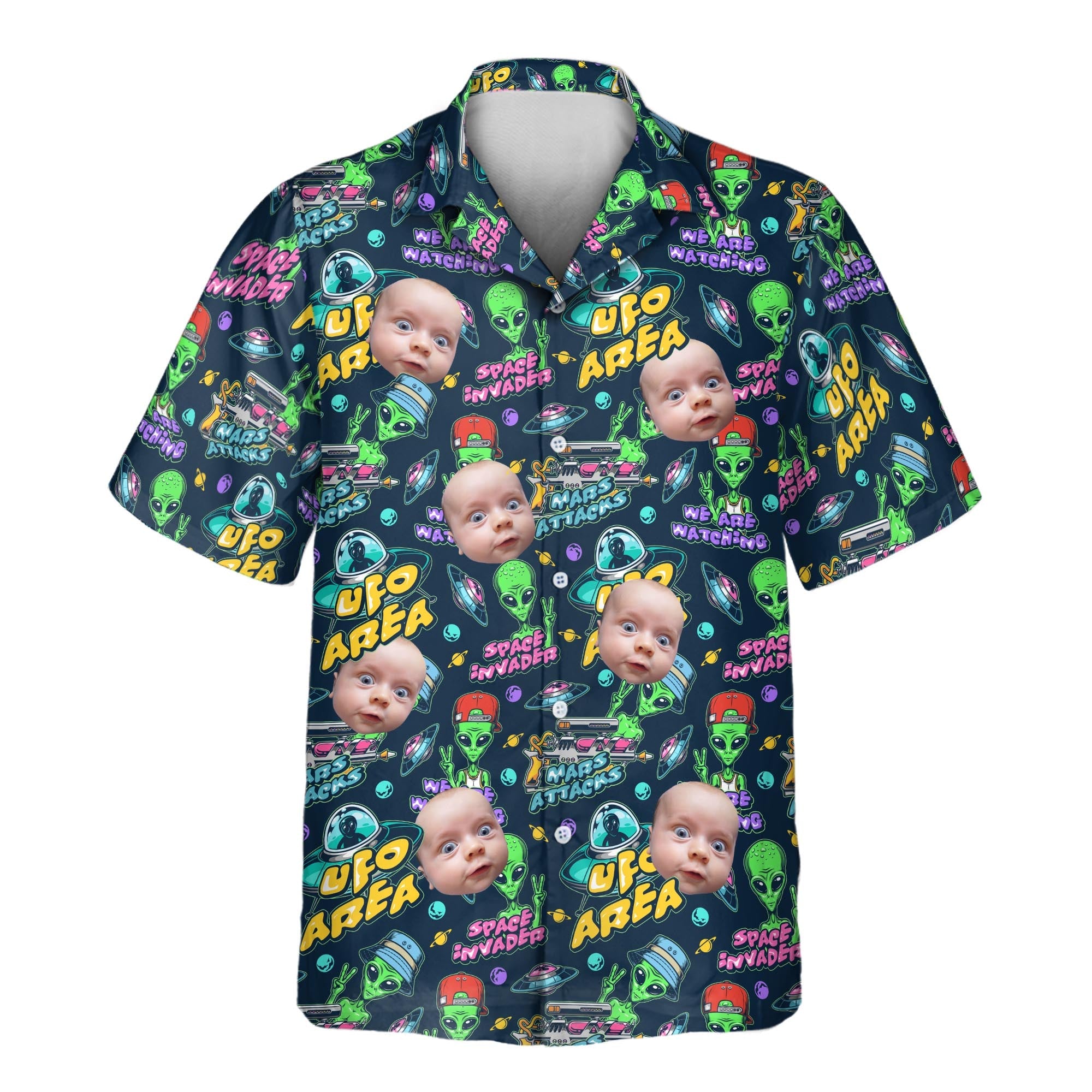
| Personalized photo shirt | Detail and color reproduction | Can the proof show how a photo repeats on the fabric? |
| Everyday wear | Comfort, care routine, versatile drape | Will the shirt suit the clothes and climate you wear most? |
Fabric weight and weave matter too
Fiber content alone does not describe a garment. Two shirts labeled cotton can feel very different because of their weave, weight, finishing, and cut. A lighter fabric may be more comfortable in heat but can show through or wrinkle more easily. A heavier fabric can hold a sharper shape but may feel warm in tropical weather. If the supplier provides fabric weight or a sample swatch, use that information rather than assuming every rayon, cotton, or polyester shirt behaves the same way.
How print method interacts with fabric
All-over prints, screen printing, and other decoration methods have different strengths. Detailed photo-based patterns often need a process that supports strong color and smooth coverage. A simple logo may work well with a different method. Ask the maker how colors are managed, whether a proof is provided, and whether the garment will be printed before or after sewing. The answer affects seams, pattern alignment, and the way a design appears near buttons and pockets.
For custom artwork preparation, read how to design a personalized Hawaiian shirt. It explains how image quality and repeat scale affect a finished garment.
Care instructions are part of the buying decision
Choose a shirt you can realistically care for. Some fabrics may need cooler washing, gentler cycles, or air drying to preserve their appearance; others are chosen partly because they are easier to wash and travel with. Always follow the garment label. Do not promise that a particular fiber will never shrink, wrinkle, or fade: construction, dye, and care all affect the result.
- Read the label before the first wash.
- Wash dark or vivid colors according to the stated instructions.
- Avoid high heat when the label advises against it.
- Store the shirt clean and dry, especially after beach or pool use.
How to request the right fabric for a custom order
Give the manufacturer a clear brief: intended setting, preferred hand feel, expected number of washes, print type, and delivery date. Ask for fabric composition, weight if available, care instructions, and a sample or close-up photo of comparable work. If the order is large or brand-sensitive, a physical sample is worth the extra time. See our manufacturer selection guide for a fuller checklist.
Frequently asked questions
Is rayon cooler than cotton?
Both can be comfortable in warm weather, but they feel and drape differently. The specific fabric weight and weave matter, so compare the actual garment rather than relying on the fiber name alone.
Is polyester suitable for a Hawaiian shirt?
It can be a practical choice for vivid all-over prints and easy care. Check the fabric weight and finish to make sure it suits your comfort preference and climate.
What should I choose for a group order?
Prioritize consistent sizing, clear care instructions, print reliability, and a fabric that attendees are likely to find comfortable.
Key takeaway
Choose fabric by use case, not by a single “best” label. Rayon suits a softer drape, cotton prioritizes breathability, and polyester blends can be practical for vivid prints and easy care.
Tags:
Previous
How to Design Your Own Personalized Hawaiian Shirt?
Next
Can I Wear a Hawaiian Shirt Golfing?
Related articles
-
Jul 25 2026