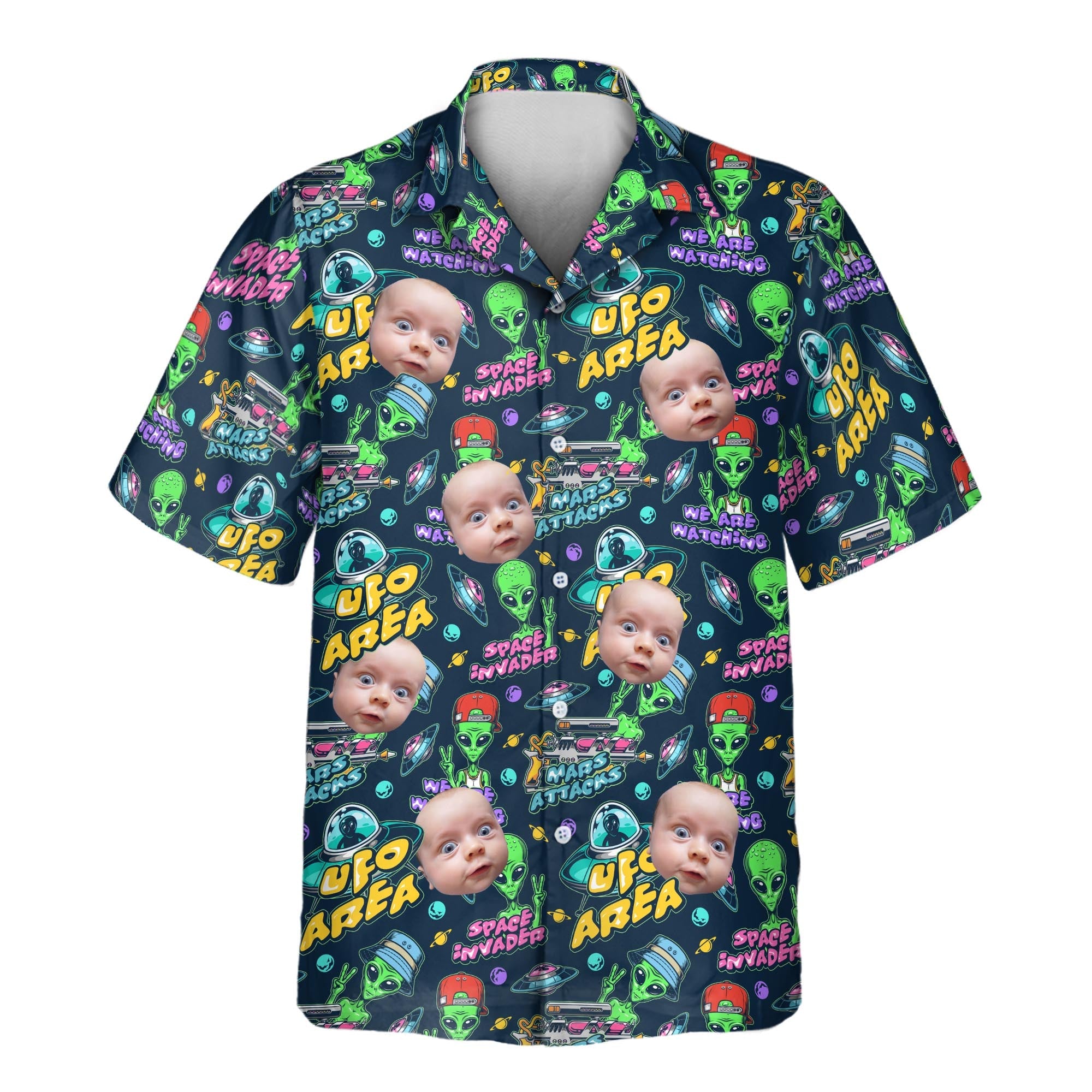

The custom Hawaiian shirt market is best understood through customer use cases rather than a single broad trend. Buyers may be looking for a vacation shirt, a personalized gift, a family reunion design, a team uniform, or event apparel. Each need has different expectations for design, price, quality, and delivery.
What drives demand?
- Personalization: photos, pets, names, and meaningful memories.
- Group occasions: reunions, trips, weddings, and celebrations.
- Business use: staff apparel, promotions, and event uniforms.
- Seasonality: holidays, travel periods, and summer events.
How buyers compare options
Customers usually compare visual appeal, fabric, fit, ease of customization, production time, shipping, and support. A clear size guide, honest production timeline, and proof process can matter as much as the print itself.
Where the opportunity is
Opportunity comes from being specific. A store that explains a clear use case—such as pet-photo gifts or corporate event shirts—can help buyers understand why a custom option suits their situation. Broad, interchangeable product copy is less helpful.
Questions to answer on a product page
What can be personalized? What image quality is required? How does sizing work? When will the proof arrive? How long does production and shipping take? Clear answers reduce hesitation before purchase.
Related guides
For a launch workflow, read how to start a custom Hawaiian shirt business. For customer-facing design guidance, see how to design a personalized Hawaiian shirt.
Define the market before making a market claim
“Custom Hawaiian shirts” is not one uniform market. It includes personalized gifts, corporate event apparel, family reunions, vacation groups, small retailers, print-on-demand sellers, and buyers who want a standard aloha shirt with a particular fit or fabric. Each group has a different reason to buy, tolerance for lead time, budget, and expectation of quality.
A useful market analysis therefore starts with a segment, not a sweeping statement about global demand. Ask: who has a problem that a custom shirt solves, what triggers their purchase, what do they compare, and what would stop them from ordering?
High-intent customer segments
| Segment | Purchase trigger | What they need to know |
|---|---|---|
| Gift buyers | Birthday, Father’s Day, holiday, or milestone | Photo quality, sizing, proofing, and delivery certainty |
| Corporate and event planners | Retreat, trade show, incentive trip, team event | MOQ, size collection, branding, invoicing, and timeline |
| Family and trip groups | Reunion, cruise, wedding weekend, vacation | Group ordering, theme, size range, and a fixed arrival date |
| Small business owners | Launching or expanding an apparel offer | Samples, repeatability, margin, and production workflow |
Segmenting this way prevents a brand from writing the same generic sales message for everyone. It also creates distinct content opportunities without competing with a homepage or collection: one article can help a corporate planner, while another can help a gift buyer choose a photo.
What buyers compare before ordering
Product imagery attracts attention, but practical questions determine whether an order is placed. Buyers compare fabric, fit, print detail, personalization options, proof process, cost, production time, shipping, and support. A store that answers these questions clearly reduces friction and earns more trust than one that relies on “premium” claims alone.
For custom orders, the proof process is a particularly strong differentiator. Buyers need to know who checks artwork, how revisions work, and when production starts. The process should be easy to understand before a customer reaches checkout.
Where a small brand can compete
Small brands rarely win by trying to be everything at once. They can compete by being specific: pet-photo shirts for gifts, coordinated shirts for company retreats, or a reliable workflow for reunion organizers. Specificity improves product pages, photography, support, and word-of-mouth because the customer can quickly see that the offer fits their situation.
This is a positioning choice, not a claim that one niche will always outperform another. Test the message with a small offer, observe questions from real customers, and refine the product information around the friction that appears most often.
Turn research into a practical offer
- Choose one customer segment with a clear occasion.
- Write down the decisions that customer must make: image, fabric, size, quantity, and date.
- Create product information, sample visuals, and FAQs that answer those decisions.
- Set a proof and production process that can be delivered consistently.
- Review customer questions after launch and improve the weakest step first.
For the operating side, see our guide to launching a custom Hawaiian shirt business. For design friction, link customers to how to design a personalized Hawaiian shirt.
Signals worth measuring
Do not confuse a trend with a sustainable opportunity. Track which product pages receive qualified visits, where shoppers abandon a customization flow, the proportion of orders that require support, repeat purchase rate, refund reasons, and the time from proof approval to delivery. These are more actionable than broad assumptions about “market growth.”
Qualitative evidence matters too. Save recurring customer questions, quote objections, and design mistakes. Those insights can become clearer product copy, FAQs, image examples, and content that attracts the right searcher.
Risks and limits
A custom apparel business has operational constraints. Print quality can vary with source files; sizing mistakes can be costly; deadlines are unforgiving for events; and cultural imagery should not be used carelessly. Claims about Hawaiian culture or market data need reliable sources. When current external market data is unavailable, say what you know from your business rather than inventing statistics.
Frequently asked questions
Is the custom Hawaiian shirt niche too competitive?
Competition is less useful as a question than fit. A focused segment with a clear need and a dependable process can be more viable than a broad store that copies generic designs and messaging.
What should a new seller test first?
Test one audience, one or two product directions, the proof workflow, and real delivery performance before expanding the catalog.
Should this article target a broad shopping keyword?
No. Its purpose is commercial research and business strategy. Product and collection pages should target the buying keywords for shirts themselves.
Key takeaway
The market rewards clarity: a distinct customer use case, a dependable production process, and product information that answers practical buying questions.
Tags:
Previous
How to Design Your Own Personalized Hawaiian Shirt?
Next
Can I Wear a Hawaiian Shirt Golfing?
Related articles
-
Jul 25 2026